
Why Does One Room Stay Hot in My Phoenix Home? (And What Actually Fixes It)

Why Does One Room Stay Hot in My Phoenix Home? (And What Actually Fixes It)
TL;DR: One room staying hotter than the rest of your Phoenix home almost always comes down to four culprits: ductwork imbalance, an undersized system, poor attic insulation baking your second floor, or direct western sun exposure. You can fix airflow blockages yourself. Everything else requires a licensed contractor. Most Phoenix homeowners spend $150-$450 on a professional airflow diagnosis before spending $3,000-$12,000 on a full system solution.
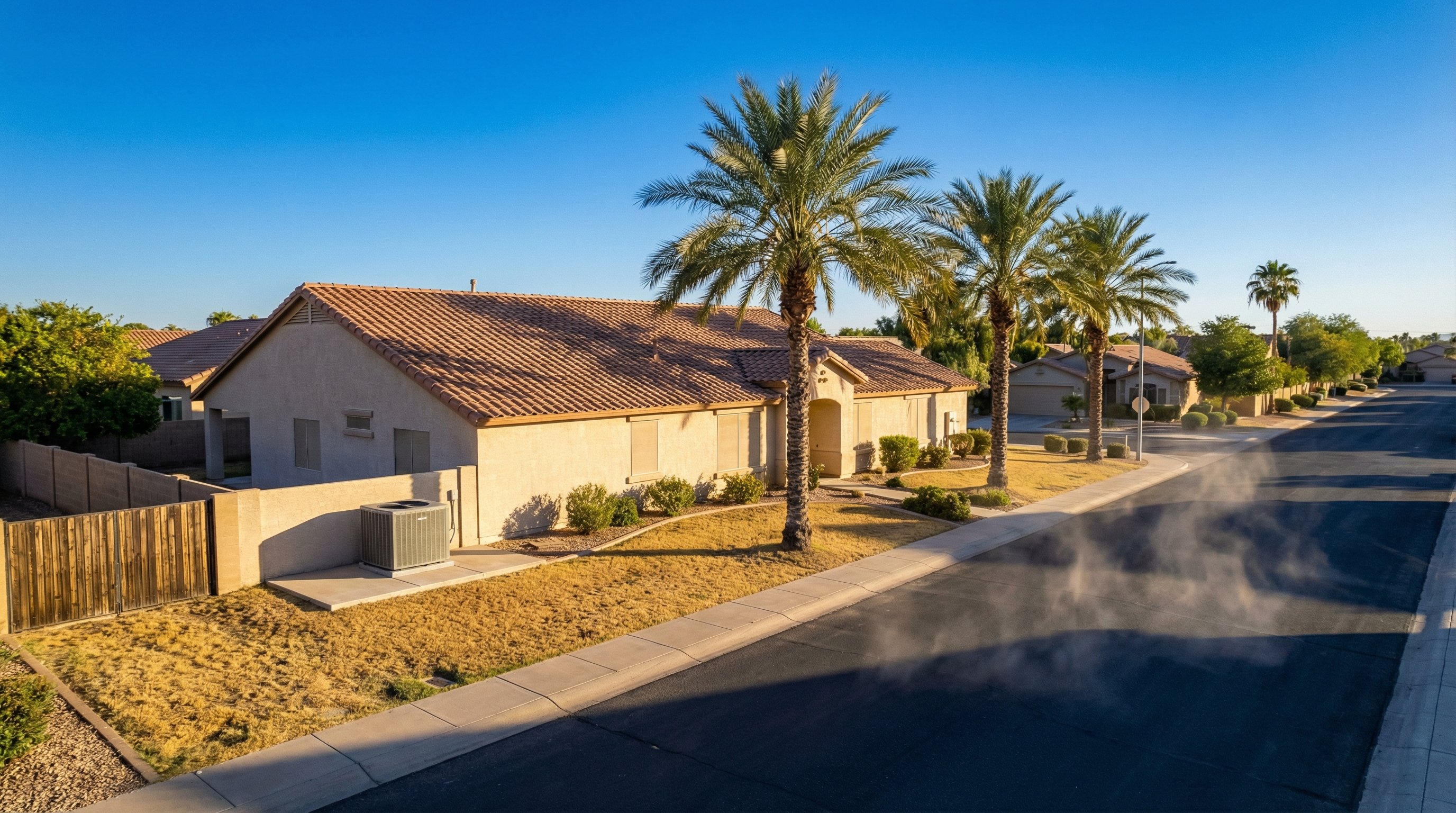
It is 106°F at 4 p.m. in Gilbert. Every room reads 72°F except the master bedroom, which reads 81°F. The supply vents are open. You changed the filter. Nothing helps. The contractor you call quotes $11,400 to reroute the ductwork.
Before you spend that money, you need to know which problem you actually have. The frustrating part about hot rooms in Phoenix is that the expensive fix is sometimes right, and sometimes the real problem is a $4 part and 30 minutes of work away.
The Physics of Hot Rooms in Arizona
When your thermostat reads 108°F outside and your AC is working hard to maintain 74°F inside, even small problems get amplified. A supply vent that is 20% blocked in Ohio might not register. In Phoenix, that same blockage can create a 10-degree temperature difference between rooms.
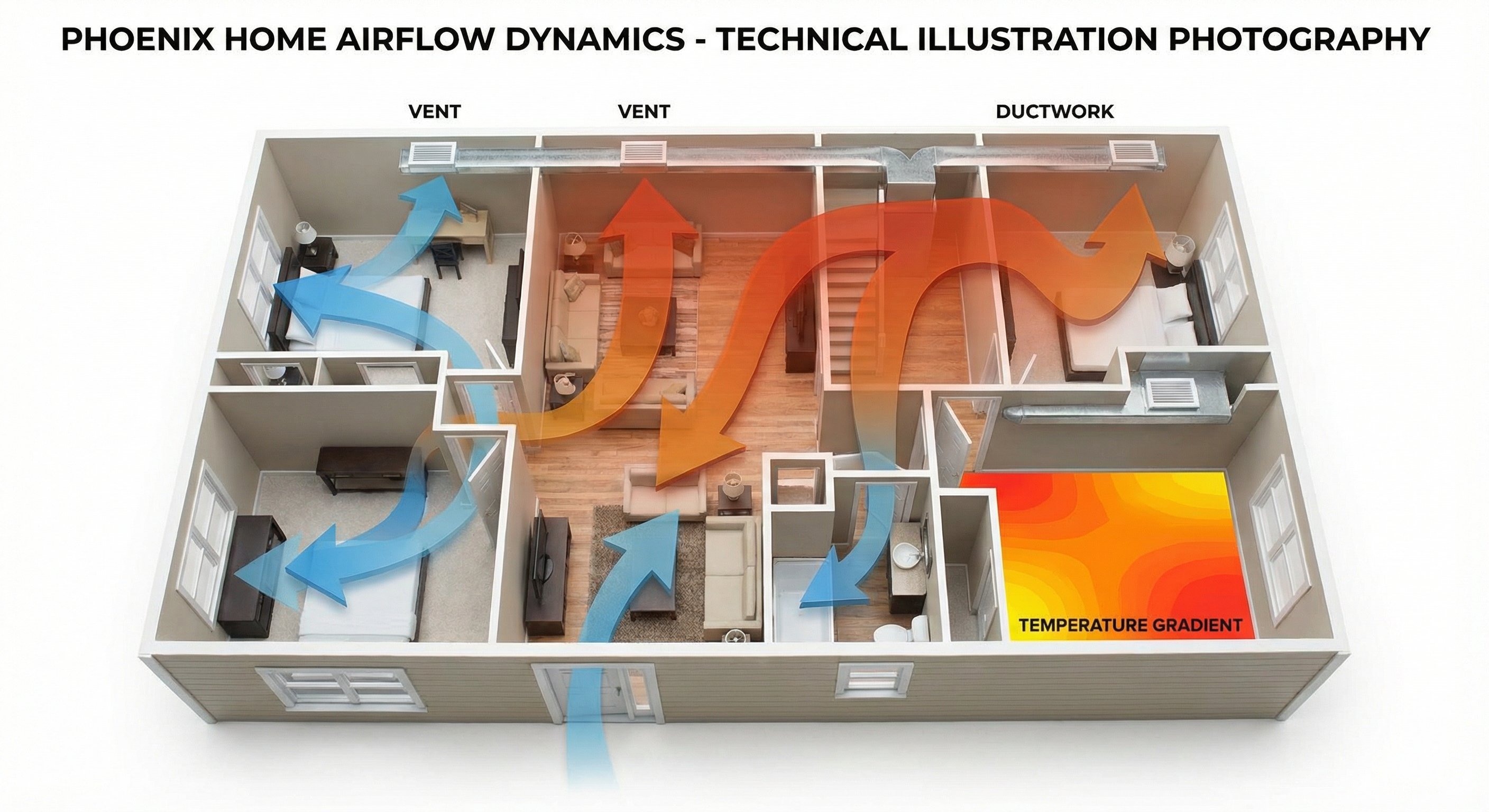
Your AC conditions the air, but your ductwork distributes it. If the distribution is uneven, some rooms get plenty of cool air while others starve. The rooms that starve heat up fast because solar heat gain through your roof and west-facing windows is relentless from May through September.
Common Cause 1: Ductwork Imbalance
This is the most frequent reason one room stays significantly hotter. Your duct system was sized when your home was built, and any original design flaws show up as temperature imbalances. Many tract homes in Chandler, Mesa, and Glendale built before 2000 used the same duct layout for floor plans with very different cooling demands.
Start with these checks. Are the supply vents in the hot room open and unobstructed by furniture or rugs? Is the return vent blocked or the door closed with no gap underneath? A blocked return creates negative pressure that prevents cool air from flowing in properly.
Find your ductwork dampers, usually in the basement, crawl space, or utility closet where the main duct branches off. Some get accidentally closed by previous homeowners who did not know what they were adjusting. A partially closed damper serving one branch can starve a room of cool air.
If ductwork is the root cause, you have two paths. A contractor can balance the system by adjusting dampers or adding duct boosters, or for severe cases in older homes, rerouting or resizing specific branches. Rerouting typically runs $2,500-$8,000 depending on accessibility.
Common Cause 2: Undersized AC Unit
This is more common than most homeowners realize. Your AC was probably sized based on a Manual J load calculation, which estimates how much cooling your home needs. If the previous owner upgraded windows, added insulation, or converted a garage into living space, the load changed but the unit did not.
Phoenix homes are particularly prone to undersizing. A system that works fine in March gets completely overwhelmed when July brings 110°F days with monsoon humidity layered on top. An undersized AC runs almost continuously and still cannot keep up with heat gain through the roof and walls. The rooms furthest from the thermostat read warmest.
There is no fix other than replacing the unit with a properly sized system. Buying a bigger unit than you need is not the answer. An oversized unit short-cycles, cooling only the areas closest to the thermostat before shutting off and leaving your home clammy and unevenly cooled. Getting a proper load calculation before replacing your system costs $150-$300 and tells you exactly what size unit your home needs.
Skip the dealer markup
See What a New AC Actually Costs
AC Rebel shows you the real equipment price — no sales pitch, no inflated quote. Get matched with a licensed installer and keep $3,000–$5,000 in your pocket.
Get My Direct Price →Common Cause 3: Attic Heat and Insulation Problems
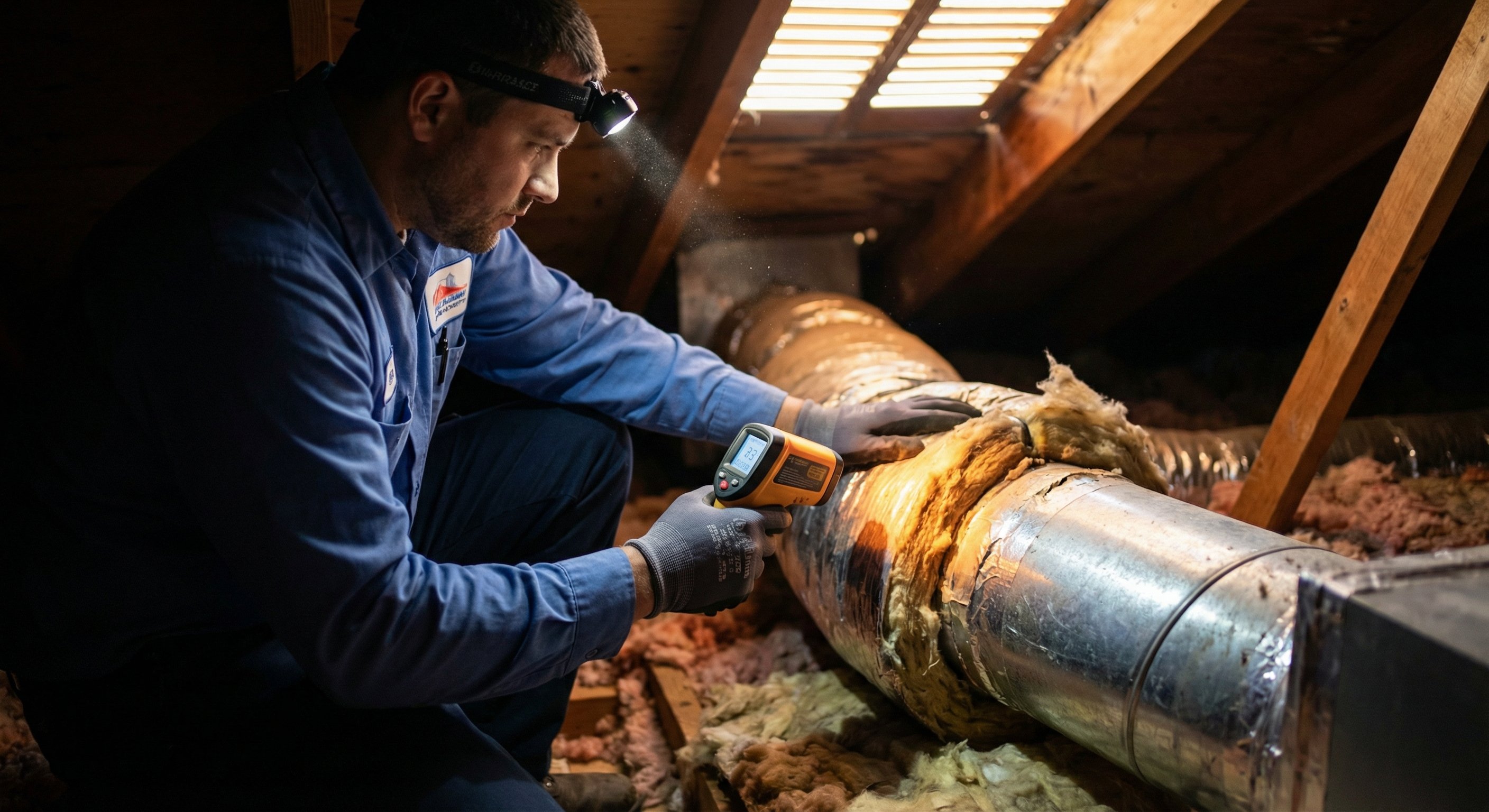
Phoenix attics are their own climate zone. On a 108°F day, attic temperatures can hit 140°F-150°F. That heat radiates down through the ceiling into living spaces below. For single-story homes in Surprise, Peoria, and Goodyear, this is a primary cause of hot rooms. For two-story homes in Scottsdale and Chandler, it explains why the upstairs almost always runs warmer than the downstairs.
The problem is usually two things combined. First, insufficient insulation between the attic and the living space. The recommended R-value for Phoenix attics is R-38 to R-49, which means about 12-15 inches of fiberglass batt insulation or equivalent. Many homes built in the 1980s and 1990s have only R-19 or R-30, which was adequate for that era's energy costs but is not enough for Phoenix summers.
Second, poor attic ventilation means hot air sits in the attic instead of being replaced by cooler outside air. If your soffit vents are blocked by old insulation, ridge vents do nothing.
Check your attic. Look at the insulation depth between the ceiling joists and see if soffit vents are visible and not covered. Adding insulation runs $1.50-$3.50 per square foot installed, which for a 2,000 square foot attic is $3,000-$7,000. It pays back through lower electric bills year after year.
Common Cause 4: Sun Exposure and Room Orientation
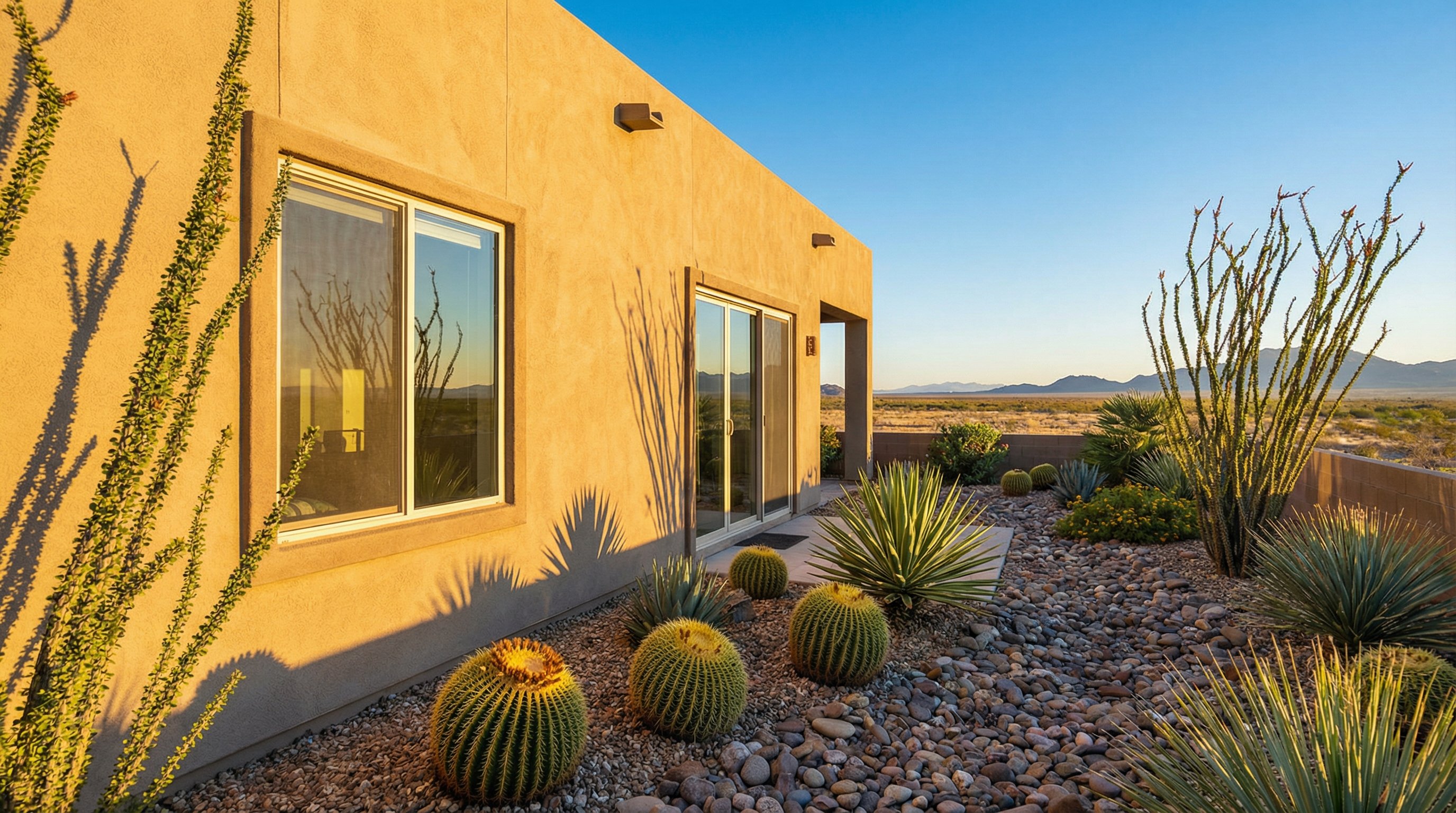
Some rooms stay hot because of where they are, not because of anything wrong with your AC. A room with large west-facing windows gets hit with direct afternoon sun from about 2 p.m. until sunset. A room on the second floor with direct roof exposure has no buffer from the sun. Rooms at the end of long hallways are further from the return vent and get less airflow.
Check whether the hot room has noticeably warmer walls or ceiling compared to other rooms. If the surfaces are hotter, the room is gaining heat faster than the AC can offset. This is not a system failure. It is a mismatch between the room is heat load and its share of cooling capacity.
Solutions do not involve the AC at all. Blackout curtains or cellular shades on west and south-facing windows reduce solar heat gain significantly. Interior shades alone cut window heat gain by 20-30%. Sealing gaps around door frames prevents cool air from being stolen by adjacent spaces. Making sure return grilles are not blocked helps too.
Common Cause 5: Dirty Coil or Clogged Filter
Before assuming you need major work, rule out the cheap fixes. A dirty air filter restricts airflow to your entire system, and the effect is most noticeable in rooms furthest from the air handler or at the end of long duct runs. Change the filter first. Use a MERV-11 or MERV-13 filter in Phoenix because desert dust comes through standard fiberglass filters faster than in other climates.
The evaporator coil inside your air handler can get coated with dust and lose its ability to absorb heat efficiently. A professional coil cleaning runs $150-$300 and can noticeably restore cooling performance. The outdoor condenser coil in your side yard gets clogged with desert grit during spring and early summer. Spray it down with a garden hose monthly during cooling season and maintain at least 2 feet of clearance around the unit.

When to Call a Contractor and What to Ask
If the simple things do not fix it, get a professional diagnosis. Ask for a Manual J load calculation before any equipment recommendations. If a contractor suggests a new unit without doing this calculation, walk away.
Ask them to measure airflow at each supply vent using a flow hood or anemometer. If the hot room is getting 40% less airflow than other rooms, you have a ductwork problem. If all rooms are getting low airflow, you have a system-wide problem. Ask for the total static pressure reading of your duct system. According to the Air Conditioning Contractors of America, total external static pressure should fall between 0.45 and 0.65 inches of water column. Anything above 0.9 indicates a serious restriction.
The Honest Answer on Cost
A dirty filter costs you nothing to fix. A coil cleaning runs $150-$300. Adding attic insulation runs $3,000-$7,000. Ductwork modification or rebalancing typically runs $2,500-$8,000. A new AC unit for an undersized system, which is the most expensive fix, typically runs $8,500-$14,000 installed through traditional contractor pricing.
If your system is undersized and your ductwork is also the problem, some contractors will quote ductwork modification when the real fix is replacing the unit. A second opinion from someone who sells units through different distribution channels is worth getting. Buying the unit separately and hiring installation labor only changes the economics of that decision.
Key Takeaways
- Check filters, dampers, and vent positions before assuming the problem is serious.
- One room staying hot almost always points to airflow or heat load issues, not a broken AC.
- Attic insulation and ventilation are the most overlooked causes in Phoenix homes.
- A proper airflow diagnosis with actual numbers costs $150-$450 and prevents expensive misdiagnoses.
- Western sun exposure is a real contributor that does not require any AC work to fix.
Frequently Asked Questions
Q: Why is my upstairs always hotter than my downstairs in Phoenix?
Heat rises to the top floor and inadequate supply airflow rarely reaches second-floor rooms. Attic temperatures in Phoenix can hit 140°F-150°F on hot days, and that heat radiates through the ceiling into upstairs living spaces. Adding attic insulation and checking that supply vents on the upper floor are fully open usually helps.
Q: Can a dirty air filter cause one room to be hot?
Yes. A clogged filter restricts airflow to your entire system, but the effect shows up first in rooms furthest from the air handler or at the end of long duct runs. These rooms starve of cool air while rooms closest to the unit stay comfortable. Phoenix homeowners should use MERV-11 or higher filters because standard fiberglass filters clog faster due to desert dust.
Q: How do I know if my AC is undersized for my home?
If your AC runs constantly during Phoenix summers and still cannot maintain temperature, or if rooms away from the thermostat are always warmer, the system may be undersized. A Manual J load calculation by a licensed contractor confirms this. Do not buy a bigger unit without the calculation, as an oversized system short-cycles and leaves your home humid.
Q: Is adding attic insulation worth it in Phoenix?
Yes. Attic insulation is one of the highest-return energy efficiency investments for Phoenix homeowners. Most homes benefit from R-38 to R-49 attic insulation. The cost typically pays back in 3-5 years through lower summer electric bills, and it directly addresses the root cause of hot upstairs rooms.
Q: Should I close vents in cool rooms to push more air to hot rooms?
No. This rarely works because your AC is designed to move a specific amount of air through the system. Blocking supply vents raises static pressure, which stresses the blower motor and can reduce overall cooling capacity. It can make the hot room hotter by disrupting return airflow.
Q: Why is the room over my garage hotter than the rest of the house?
Garages in Phoenix act as massive heat collectors. They are often unconditioned with high thermal mass from concrete floors and garage doors. Heat radiates up through the ceiling into the room above, especially if the garage ceiling is not well-insulated.
Q: Can landscaping affect which rooms stay hot?
Indirectly, yes. Trees and bushes planted too close to your outdoor AC condenser restrict airflow around the unit, reducing its efficiency. Arizona contractors recommend maintaining at least 2 feet of clearance on all sides of outdoor units. Meanwhile, strategic shade planting on west and south-facing walls reduces solar heat gain through windows and cools those rooms directly.
If you are dealing with uneven cooling and want to understand your options for AC replacement or upgrade, you can get a free instant quote at AC Rebel. You see the unit price before any installation markup, and you choose your own licensed contractor from verified local installers.
Ready to stop overpaying?
See Your Direct AC Price in 2 Minutes
Skip the dealer. Buy your AC unit at direct pricing and pay a vetted local installer only for the installation. No sales calls. No hidden markup. Most homeowners save $3,000–$5,000+ compared to a traditional quote.
Get My Direct Price — No Credit Card2-minute quote · Licensed installers · 10-year warranty options