
Why HVAC Prices Spiked in 2026 (And How to Pay Less)

Why HVAC Prices Spiked in 2026 (And How to Pay Less)
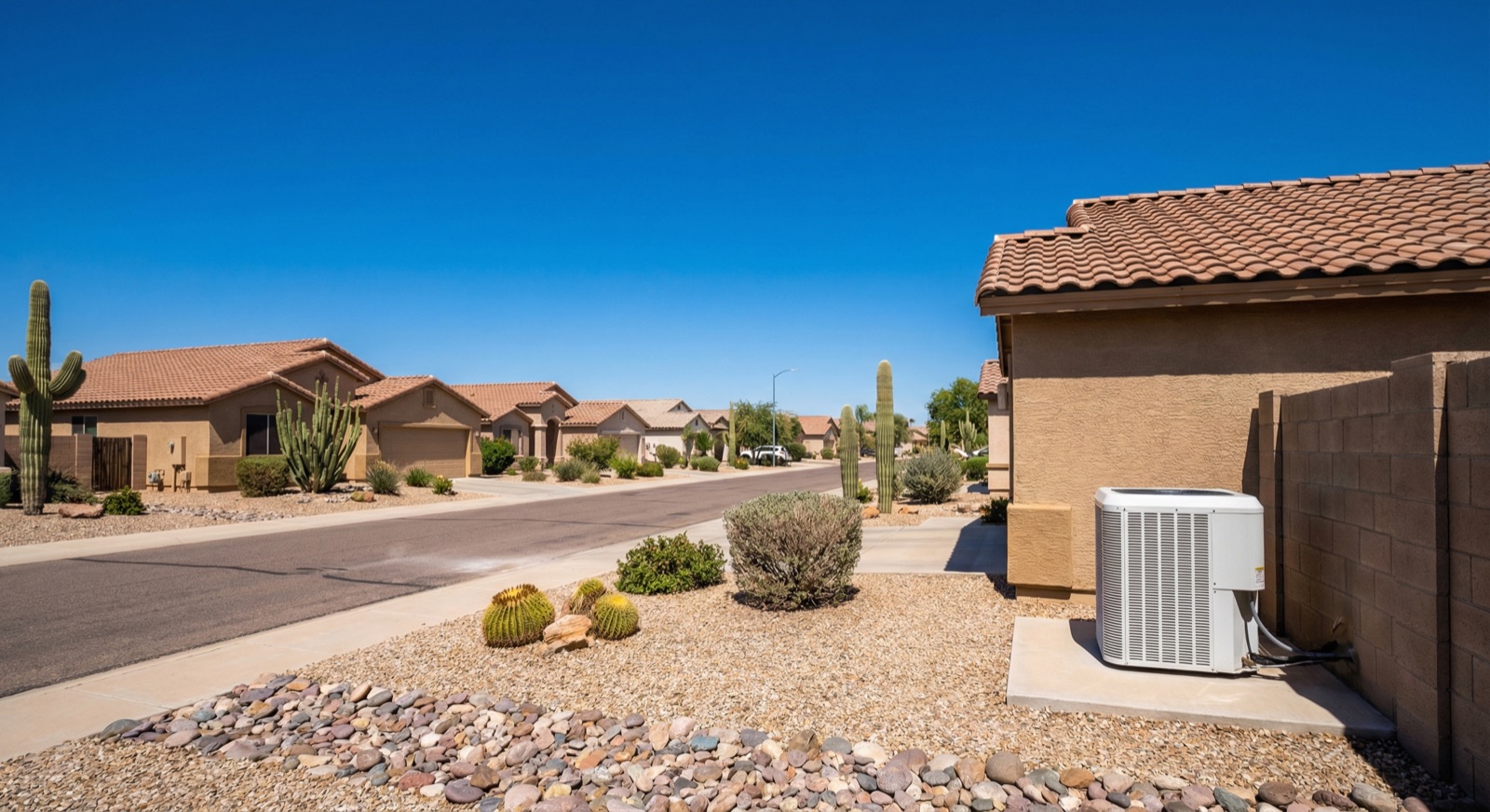
If you've gotten an AC quote recently and thought "That can't be right" — you're not imagining things.
HVAC prices have jumped significantly in 2026. A system that cost $6,000–$8,000 installed in 2023 is now routinely quoted at $9,000–$14,000. Some Phoenix homeowners are seeing quotes north of $15,000 for a standard 3-ton split system with installation.
This isn't just "inflation." There are four specific structural forces driving HVAC costs up in 2026 — and most of them aren't going away anytime soon. Let's break down what's actually happening, why, and what you can do about it.
1. The R-454B Refrigerant Bottleneck
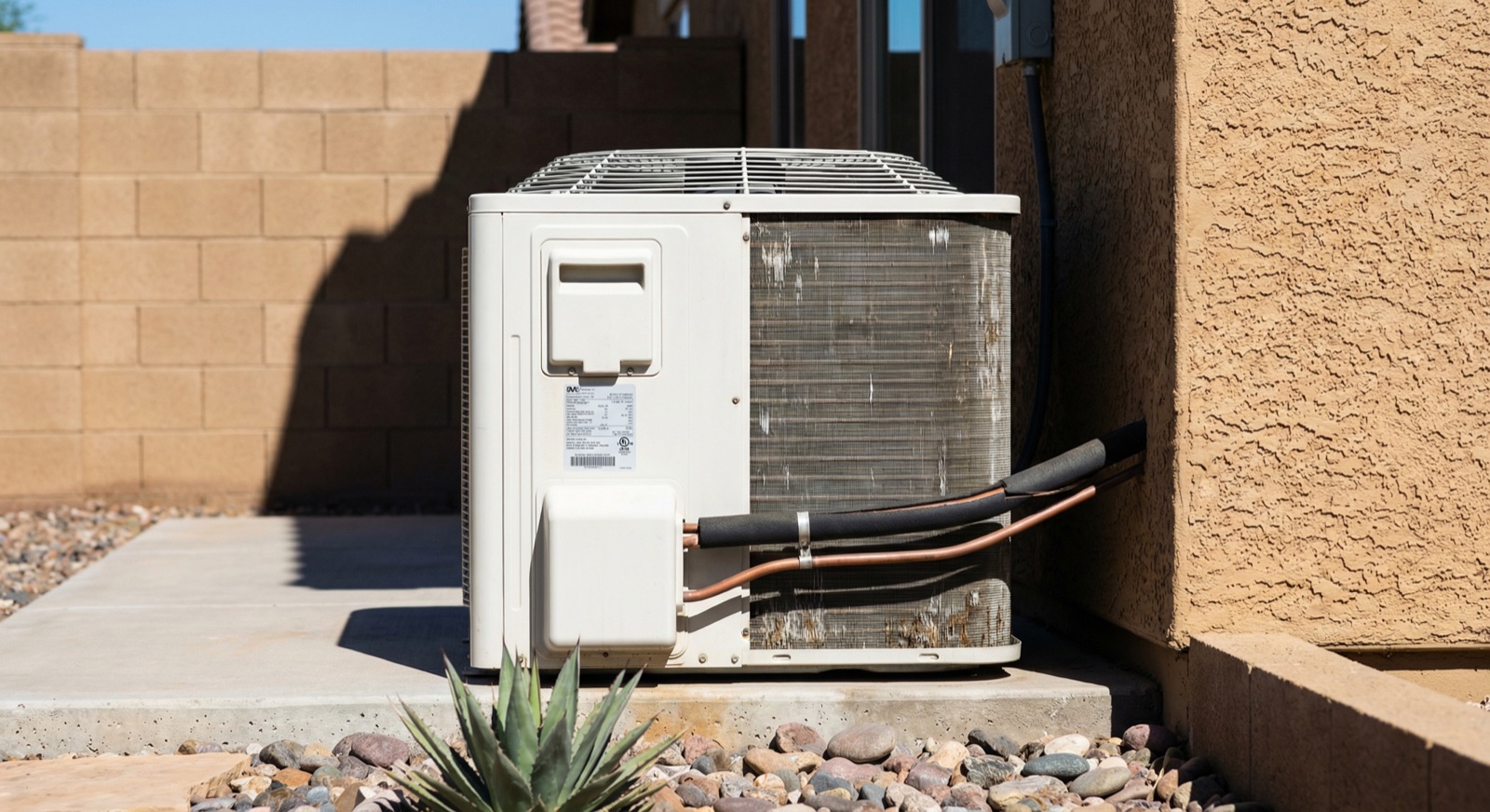
This is the biggest single driver of the 2026 price spike, and most homeowners have never heard of it.
Starting January 1, 2025, the EPA's AIM Act phased down production of R-410A — the refrigerant that's been standard in residential AC systems for over 20 years. The replacement is R-454B (sold under brand names like Opteon XL41), a lower-GWP (global warming potential) refrigerant designed to meet new environmental regulations.
Here's the problem: only two companies are certified to manufacture R-454B in the United States — Honeywell and Daikin (Chemours). That's it. Two manufacturers supplying refrigerant for the entire U.S. residential HVAC market.
When you have a duopoly controlling a product that every new AC system requires, supply constraints are inevitable. And that's exactly what's happened. R-454B prices have climbed sharply through 2025 and into 2026 as manufacturers, distributors, and contractors compete for limited supply.
This isn't a temporary blip. The manufacturing infrastructure for R-454B is still scaling up, and demand is only growing as older R-410A systems get replaced. Until more producers enter the market or existing capacity expands significantly, R-454B will remain expensive — and that cost flows directly into your AC quote.
What this means for you: Every new AC system installed in 2026 uses R-454B. The refrigerant cost is baked into the equipment price, and there's no way around it. But the markup between what the refrigerant actually costs and what you pay varies enormously depending on who you buy from.
2. Private Equity Is Buying Up Your Local HVAC Company
Here's something most homeowners don't realize: that "local family-owned HVAC company" you've been calling might not be locally owned anymore.
Over the past five years, private equity firms have been aggressively buying up regional HVAC companies across the country. The playbook is straightforward:
- Buy a well-known local brand with good reviews and customer trust
- Keep the original name and branding (so you don't notice anything changed)
- Centralize operations, cut costs on labor and training
- Raise prices — because the brand's reputation absorbs the increase
In the Phoenix metro alone, several well-known HVAC companies that used to be independent are now owned by national PE-backed rollup platforms. When three or four companies in your area are secretly owned by the same parent, competition decreases and prices go up.
These rollups aren't buying HVAC companies because they're passionate about keeping Arizonans cool. They're buying them because the HVAC industry has fat margins, recurring revenue from maintenance plans, and customers who are desperate when their AC dies in July. It's a financial play, and homeowners pay the premium.
What this means for you: The quote you're getting from a "local" company may include PE profit margin expectations on top of the normal dealer markup. You're paying for their acquisition debt and investor returns, not for better equipment or better service.
3. Tariffs on Equipment and Components
HVAC equipment assembly has increasingly shifted to Southeast Asia over the past decade. Condenser coils, compressors, circuit boards, and sheet metal housings are manufactured or assembled in countries like Thailand, Vietnam, and China before being shipped to the U.S. for final assembly or direct distribution.
In 2025 and 2026, new and expanded tariffs on imported HVAC components have added cost pressure across the supply chain. Even systems assembled in the U.S. rely on imported components, so tariff exposure is nearly universal.
Manufacturers have passed these costs along to distributors, who pass them to contractors, who pass them to you. Each step of the chain adds its own markup to absorb the tariff cost, so a 10% tariff on a component doesn't translate to a 10% price increase at the consumer level — it's often more like 15–20% by the time it reaches your quote.
What this means for you: Equipment prices are higher at every tier — Good, Better, and Best. This isn't specific to one brand or one type of system. It's an industry-wide increase that affects every quote you'll get.
Skip the dealer markup
See What a New AC Actually Costs in Phoenix, AZ
AC Rebel shows you the real equipment price — no sales pitch, no inflated quote. Get matched with a licensed installer and keep $3,000–$5,000 in your pocket.
Get My Direct Price →4. The Installer Shortage Is Real
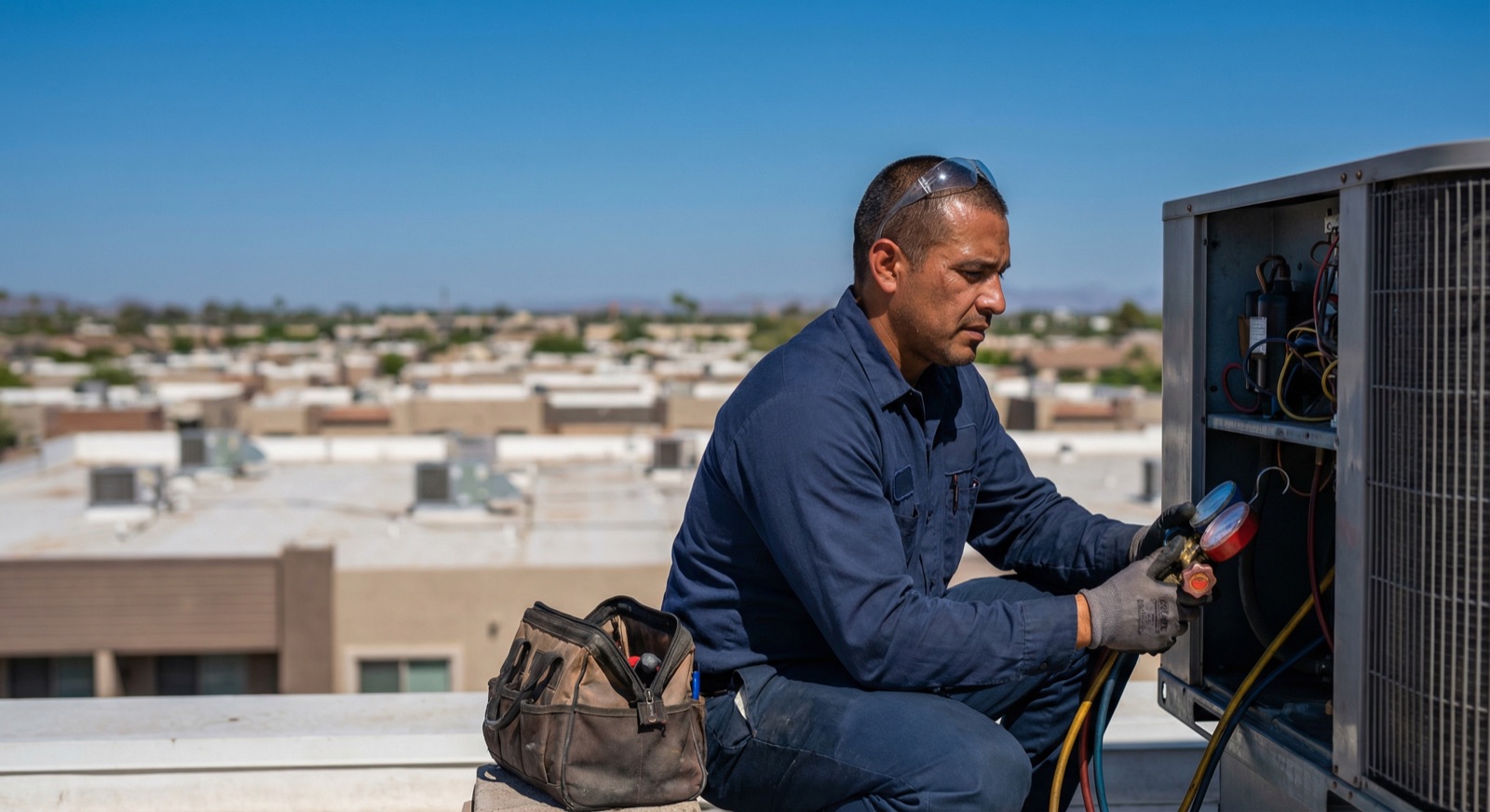
The HVAC trade lost a significant portion of its workforce during COVID. Experienced technicians retired early, apprenticeship programs stalled, and younger workers moved to other trades or industries. The pipeline never recovered.
In Arizona specifically, the problem is compounded by explosive growth. The Phoenix metro has added hundreds of thousands of residents since 2020, and every new home and commercial building needs HVAC. Meanwhile, the pool of licensed, experienced installers hasn't grown to match.
When there are fewer qualified installers competing for more work, labor rates go up. Simple supply and demand. The contractors who are good and available know they can charge more — and they do.
This is also why you see wide variation in installation quotes. A contractor with a full schedule for the next three weeks can afford to quote high. If you don't want to pay it, someone else will. During peak summer months in Arizona, some contractors are quoting 30–40% more than their off-season rates simply because demand is through the roof.
What this means for you: Labor is a major component of your total HVAC cost — typically 30–40% of the installed price. When labor costs go up, your total quote goes up, even if the equipment price stayed flat (which it hasn't).
So What Can You Actually Do About It?
Let's be honest: you can't fight the refrigerant duopoly, you can't change tariff policy, and you can't conjure more HVAC installers out of thin air. These are structural forces that affect the entire industry.
But here's what you can control: how much markup sits between the manufacturer's price and your final bill.
In a traditional HVAC purchase, the supply chain looks like this:
Manufacturer → Distributor → Dealer/Contractor → You
At every step, someone adds margin. The distributor marks up the equipment. The contractor marks up what they paid the distributor. Then they add labor, overhead for their showroom, sales commissions, truck fleet, advertising budget, and profit margin. By the time you see a number, the equipment that costs $2,000 wholesale is showing up as $5,000–$6,000 on your quote.
This is the part of the equation you can actually change.
The Direct Model: Cut the Chain, Keep the Comfort

This is why AC Rebel exists. We don't run a fleet of sales trucks. We don't have a showroom. We don't pay commissions to salespeople who sit in your living room for two hours.
We buy equipment direct and sell it to you online at a transparent price. You see the real cost — equipment, installation labor, permits, disposal — broken out line by line. No bundled mystery pricing, no "let me check with my manager" negotiation theater.
Our installers are the same licensed, insured, top-rated contractors who work for the big-name companies. The difference is we're not adding 2–3x markup on the equipment before we hand it to them.
The result: Phoenix homeowners save $3,000+ on average compared to traditional HVAC quotes. Same equipment. Same manufacturer warranty. Same quality installation. Minus the layers of markup.
We can't make R-454B cheaper. We can't undo the tariffs. But we can cut out the middlemen who inflate your price by thousands of dollars for the privilege of scheduling a two-hour in-home sales pitch.
How to Know If Your Quote Is Fair
If you've already gotten a quote from another company, here are some red flags that suggest you're paying more markup than you should:
- The quote is a single bundled number with no line-item breakdown (equipment, labor, permits, disposal listed separately)
- They won't tell you the specific equipment model or let you look up the wholesale cost
- A "diagnostic fee" or "dispatch fee" is baked into the replacement quote (those are for repairs, not replacements)
- The salesperson spent more time selling financing than explaining the equipment
- The quote came with a "today only" discount that magically appeared when you hesitated
A fair HVAC quote in 2026 should clearly show what you're paying for the equipment, what you're paying for labor, and what's included (permits, disposal, refrigerant). If you can't see those numbers separately, someone is hiding margin in the bundle.
The Bottom Line
HVAC prices are higher in 2026 than they were in 2024. That's real, and it's driven by forces that aren't going away soon — the R-454B refrigerant constraint, private equity rollups, tariffs on imported components, and a shrinking installer workforce.
But "higher" doesn't mean you have to accept a quote that's thousands more than it should be. The equipment costs what it costs. The labor costs what it costs. The question is: how many middlemen are standing between the manufacturer and your rooftop unit, each taking their cut?
At AC Rebel, the answer is zero.
See your real price in 2 minutes →
No sales pitch. No "someone will call you back." Just your home's details, your system options, and a line-by-line quote you can actually understand. That's how buying an AC should work.
Ready to stop overpaying?
See Your Direct AC Price in 2 Minutes
Skip the dealer. Buy your AC unit at direct pricing and pay a vetted local installer only for the installation. No sales calls. No hidden markup. Most homeowners save $3,000–$5,000+ compared to a traditional quote.
Get My Direct Price — No Credit Card2-minute quote · Licensed installers · 10-year warranty options