
Your AC Died in July — Here's What to Do in the Next 6 Hours

Your AC Died in July — Here's What to Do in the Next 6 Hours
TL;DR: Your AC just stopped working in Phoenix summer. Don't panic, don't sign anything yet, and don't let the heat push you into a $15,000 decision in 30 minutes. Follow this timeline to stay safe, get cooling back, and avoid getting ripped off.
It's 3 PM on a Tuesday in July. The house is 87°F and climbing. The thermostat says the AC is running, but nothing cold is coming out of the vents. Or maybe it just stopped entirely — no sound, no fan, nothing.
Your first instinct is to call someone immediately and say "fix it, whatever it costs."
That instinct is exactly what certain HVAC companies are counting on.
Here's your step-by-step guide for the next 6 hours — from the moment your AC dies to the moment you have a real plan to get cool again.
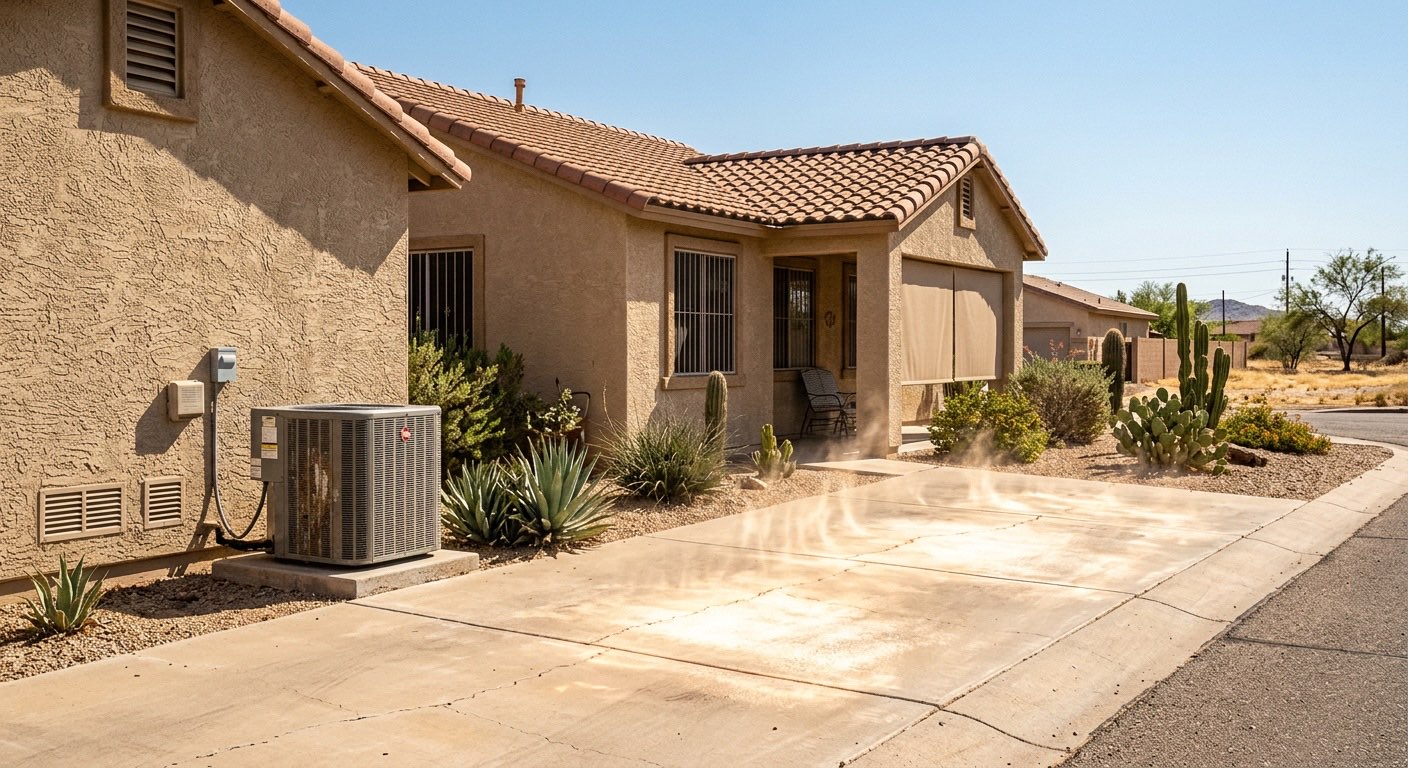
First 30 Minutes: Safety First
Before you call anyone, take care of the immediate situation.
Manage the Heat Inside
Phoenix homes heat up fast without AC — about 1–2°F every 15 minutes once the system stops. You have a window of a couple hours before the house becomes genuinely dangerous.
- Close all blinds and curtains, especially on south- and west-facing windows. Solar gain through windows is the single biggest heat source in your home.
- Open interior doors to allow whatever cool air remains to circulate evenly. Don't trap cooler air in one room unless someone is medically vulnerable to heat.
- Close rooms you're not using if you have ceiling fans — concentrate airflow where people are.
- Run ceiling fans and any portable fans. Fans don't cool the air, but they help sweat evaporate, which cools your body.
- Wet towels on the neck and wrists. Old-school, but it works. Keep a bowl of ice water handy for re-wetting.
- Hydrate aggressively. Everyone in the house should be drinking water every 15–20 minutes.
Check If It's Actually Broken
Before you call for a $150 service call, rule out the simple stuff:
- Check the thermostat. Is it set to COOL? Is the temperature set below the room temperature? Are the batteries dead? Try switching it off and on. These fix more "broken" AC systems than you'd expect.
- Check the breaker. Go to your electrical panel and find the breaker labeled AC, HVAC, or condenser. If it's tripped, flip it fully off, wait 30 seconds, and flip it back on. If it trips again immediately, don't keep flipping it — you have an electrical issue.
- Check the outdoor unit. Go outside and look at the condenser. Is the fan spinning? Is there any sound? If the fan runs but you're not getting cold air inside, that's a different problem than if the whole unit is dead silent.
- Check the air filter. A severely clogged filter can cause the system to freeze up and stop cooling. If your filter looks like a wool blanket, replace it and give the system an hour to thaw.
If any of these simple fixes gets it working again, great — you just saved yourself a service call. If not, you at least have useful information to share when you do call.
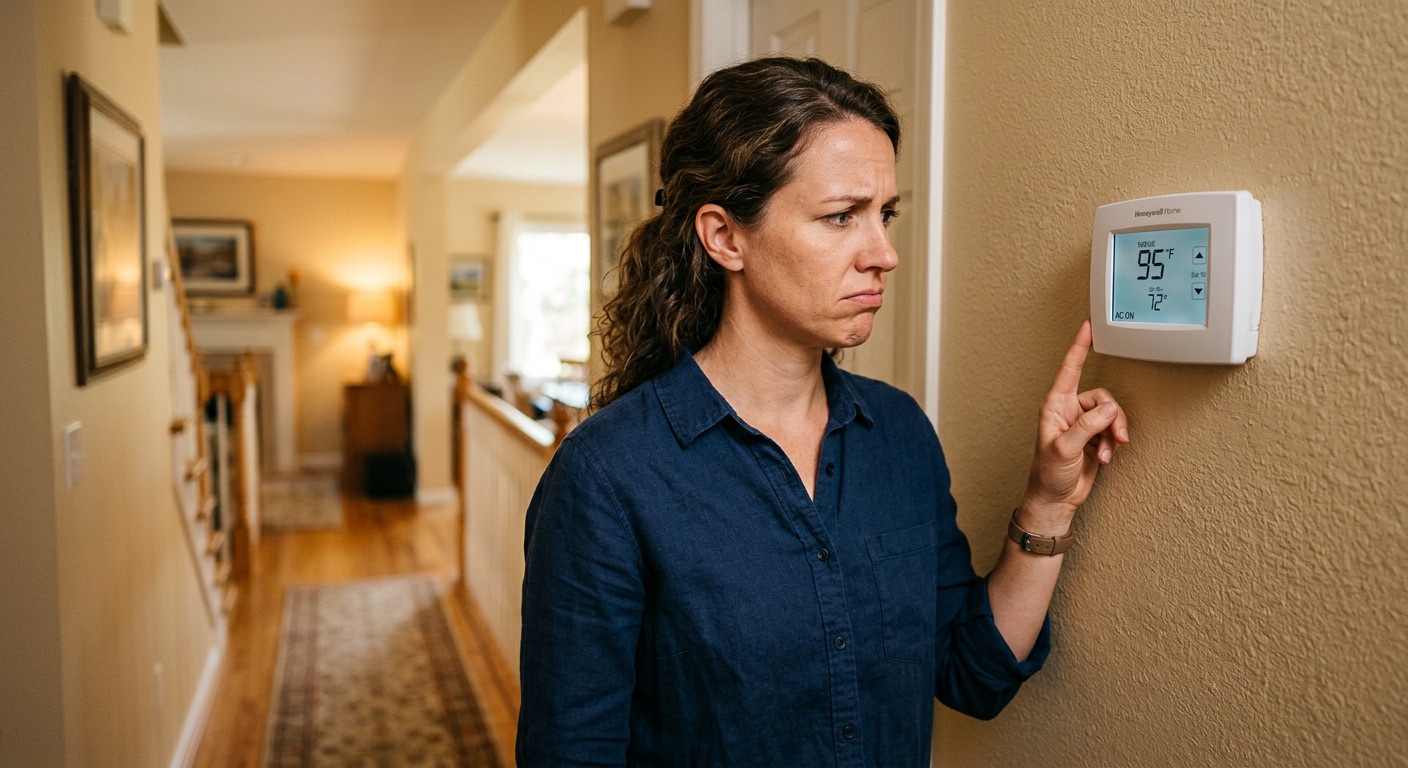
Hour 1: Triage — Is It Dead-Dead or Fixable?
Now it's time to figure out whether you're looking at a repair or a full replacement.
Signs It Might Be Fixable (Repair: $200–$1,500)
- The system is less than 10 years old. Younger systems are almost always worth repairing unless the compressor is gone.
- The outdoor fan runs but indoor air isn't cold. Could be a refrigerant leak, a bad capacitor, or a frozen coil — all repairable.
- You hear the compressor trying to start but it clicks off. Often a bad start capacitor or contactor — cheap fix, usually $150–$400.
- The system runs but airflow is weak. Could be a blower motor issue or ductwork problem. Repairable.
Signs It's Probably Done (Replacement: $6,000–$15,000)
- The system is 15+ years old and this isn't the first major repair. Industry standard lifespan in Phoenix is 12–18 years due to extreme heat cycling.
- The compressor is dead. If the outdoor unit makes no noise at all, or you hear grinding/banging, the compressor may have failed. Compressor replacement on a system over 10 years old often costs $2,500–$4,000 — at which point replacement makes more sense.
- You've spent more than $1,000 on repairs in the last two years. You're throwing money at a dying system.
- It uses R-22 (Freon) refrigerant. R-22 was phased out in 2020. If your system runs on R-22 and needs a refrigerant charge, you're paying $75–$150 per pound for a dwindling supply. Don't invest in an R-22 system.
The Quick Math
If the repair costs more than 50% of what a new system would cost, replace it. If your system is over 12 years old and the repair is over $1,500, replace it. In almost every other case, repair first and start planning for replacement.
Hours 2–3: Getting Quotes Without Getting Robbed
Here's where most people make the expensive mistake: they call one company, that company shows up fast, and they sign a contract the same day because they're hot and desperate.
The Emergency Premium Is Real
Let's be honest about this: an emergency AC call in July will cost more than a planned replacement in March. That's partially legitimate — contractors are working overtime, demand is extreme, and crews are booked weeks out.
The typical emergency premium in Phoenix summer:
- Service call fee: $89–$175 (often waived if you proceed with work)
- Emergency labor surcharge: $200–$500 above standard rates
- Rush installation markup: $500–$1,500 if you need installation within 24–48 hours instead of 1–2 weeks
Total premium for emergency summer work: roughly $500–$1,500 above off-season pricing.
Some of that is fair. But here's what's NOT fair: a company charging you $3,000–$5,000 more than market rate because they know you're desperate. And it happens constantly.
How to Avoid Panic Pricing
- Get at least two quotes. Yes, even in an emergency. Most companies can get you a quote within a few hours by phone if you can tell them your system's make, model, tonnage, and age.
- Know the ballpark before you call. A standard 3-ton, 16 SEER2 system installed in Phoenix runs roughly $7,000–$11,000 depending on brand and complexity. If someone quotes you $16,000 for a standard installation, they're counting on your desperation.
- Use an online quote tool. Our quote tool gives you a real price in about 2 minutes. You can do it from your phone while sitting in your hot living room. Having a baseline number before talking to contractors changes the entire dynamic.
- Ask for itemized pricing. Equipment cost, labor, materials, permits. If they won't break it down, they're hiding the margin.
Skip the dealer markup
See What a New AC Actually Costs in Phoenix Metro, AZ
AC Rebel shows you the real equipment price — no sales pitch, no inflated quote. Get matched with a licensed installer and keep $3,000–$5,000 in your pocket.
Get My Direct Price →Hours 3–6: Your Options
By now you should have a sense of whether it's a repair or replacement, and ideally one or two quotes in hand.
Option A: Repair (If Possible)
If the diagnosis is a fixable issue — capacitor, contactor, refrigerant, blower motor — get it fixed. Even if the system is older, a $400 repair that gets you through the summer buys you time to plan a replacement on your terms, in the off-season, when pricing is lower.
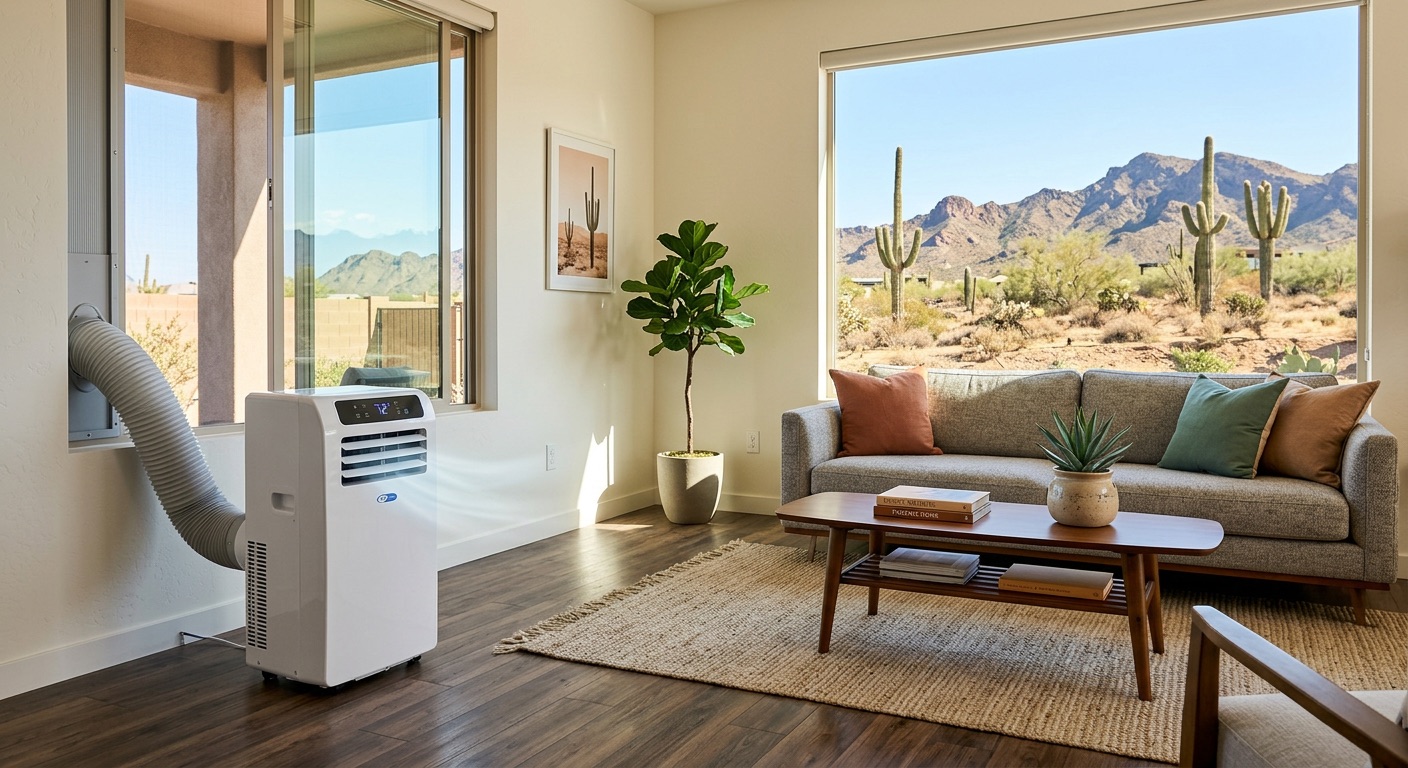
Option B: Portable AC as a Bridge
If you need a replacement but want time to make a smart decision, a portable AC unit can keep one or two rooms livable while you finalize quotes.
- Home Depot and Lowe's stock portable AC units year-round. In summer, they sell out fast, so move quickly.
- A 14,000 BTU portable unit ($400–$600) can keep a single room (bedroom, living room) at a bearable temperature.
- Set it up in the bedroom. Sleep is the priority. You can endure a hot house during the day, but sleeping in 95°F is miserable and dangerous.
- Hotels and family are also options for the first night or two while you sort out the replacement.
Option C: Emergency Replacement
If the system is dead and not worth repairing, the timeline for replacement in Phoenix depends on the company:
- Large national companies: Often have common equipment in local warehouses and can install within 24–48 hours — but at premium pricing.
- Independent contractors: Typically 2–5 business days in peak summer, but often better pricing.
- AC Rebel: We pre-stage popular systems with our installer network. In most cases, we can have a new system installed within 48 hours of your order — at direct pricing, not emergency markup.
What NOT to Do
The heat makes people do things they'd never do with a clear head. Here's what to avoid:
Don't Sign a Contract the Same Day
Unless you're in a genuinely dangerous medical situation (elderly, infants, medical conditions sensitive to heat), don't sign a contract the day your AC dies. Sleep on it — even if "sleeping on it" means one night in a hotel or at a family member's house.
HVAC companies know that same-day closings happen because of emotion, not logic. The quote you sign at 6 PM when it's 98°F inside your house is almost always higher than the quote you'd negotiate after a night's sleep and a second opinion.
Don't Pay Cash Upfront
Never pay the full amount before installation is complete. A standard and fair payment structure:
- $0–$500 deposit to hold your installation date
- Remaining balance upon completion after you verify the system is running and the installation meets your expectations
Any company asking for 50% or full payment upfront before work begins is a red flag.
Don't Let Panic Drive a $15K Decision
An AC system lasts 12–18 years. The decision you make this week will affect your comfort and your budget for the next decade-plus. Taking 24–48 hours to make a smart choice — even in the heat — is worth it.
The AC Rebel Emergency Path
We built our platform for exactly this situation. Here's how it works:
- Get a quote in 2 minutes from your phone at acrebel.com/quote. No one needs to come to your house first.
- See real pricing — equipment cost, labor, total. No hidden fees, no address-based markup.
- Compare instantly with the Quote Checker if you've already gotten a quote from someone else.
- Installation as soon as 48 hours through our pre-vetted installer network across the Phoenix metro.
Your AC dying doesn't have to be a financial disaster. It's a stressful day, but with a clear plan and real pricing, you can get through it without overpaying by thousands.
Your AC just died? Get a quote now — real pricing in 2 minutes, even from your phone.
Ready to stop overpaying?
See Your Direct AC Price in 2 Minutes
Skip the dealer. Buy your AC unit at direct pricing and pay a vetted local installer only for the installation. No sales calls. No hidden markup. Most homeowners save $3,000–$5,000+ compared to a traditional quote.
Get My Direct Price — No Credit Card2-minute quote · Licensed installers · 10-year warranty options